

 Nessa Ball
Understanding fertility cycles can make a significant difference when you’re trying to get pregnant. And yet, many women don’t have a solid understanding of how their cycle works and when they’re at different stages.
Learning to recognize the signs and symptoms that go along with each phase of your fertility cycle can not only enhance your chances of pregnancy, but also provide better insight into your overall reproductive health.
Ready to demystify fertility cycles in women? Keep reading to learn more about how to monitor your cycle and boost your chances of conception.
Basics of the Female Reproductive System
The female reproductive system includes several key organs. These organs work together to help women reproduce and maintain reproductive health.
Your reproductive system also goes through monthly cycles to prepare for a potential pregnancy. These cycles involve the release of an egg, changes in hormone levels, and the thickening of the uterine lining. Each part of this system plays a vital role in your reproductive health.

Key Components of the Female Reproductive System
Understanding the female reproductive system is essential for grasping how fertility cycles work. The main components include the ovaries, fallopian tubes, uterus, and cervix, each playing a crucial role.
Ovaries
The ovaries are small, oval-shaped glands located on either side of the uterus. They have the critical task of producing eggs, or ova. Each ovary is about 1.5 inches in length.

Ovaries also secrete hormones like estrogen and progesterone, which regulate the menstrual cycle and play key roles in pregnancy.
Each month, one ovary releases an egg in a process known as ovulation. This typically happens around the middle of your menstrual cycle. If the egg is fertilized by sperm, it can result in pregnancy. If not, it is expelled from your body during menstruation.
Fallopian Tubes
The fallopian tubes are narrow ducts that connect the ovaries to the uterus. Each tube is about four inches long.
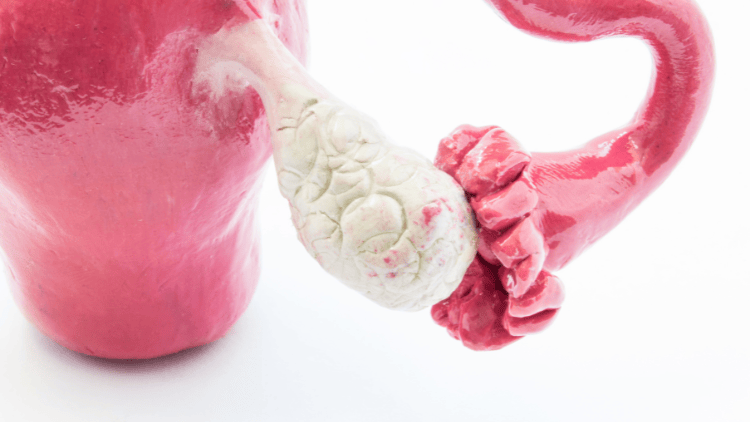
Their primary function is to transport eggs from the ovaries to the uterus. This journey occurs after ovulation and can take around three to four days.
The inner lining of the fallopian tubes is covered in tiny hair-like structures called cilia. These cilia help move the egg along the tube.
Fertilization of an egg by sperm typically occurs in the fallopian tubes. Once fertilized, the egg continues down the tube to implant in the uterus.
Uterus
The uterus is a hollow, pear-shaped organ located in the pelvis. Its main role is to house and nourish a developing fetus during pregnancy.

The uterus has a thick lining known as the endometrium, which thickens in preparation for a fertilized egg. If no fertilization occurs, this lining sheds during menstruation.
The muscular walls of the uterus, also known as the myometrium, play a significant role during childbirth. They contract to help push the baby out. The uterus is connected to the fallopian tubes at the top and opens into the cervix at the bottom.
Cervix
The cervix is the lower part of the uterus that opens into the vagina. It acts as a gateway between the uterus and the vagina.

The cervix has a small opening called the os, which allows menstrual blood to flow out and sperm to enter. During childbirth, the cervix dilates to allow the baby to pass through.
The cervix produces mucus that changes in consistency throughout the menstrual cycle. This mucus can either facilitate or hinder sperm movement, depending on its thickness.
Hormones Involved in Female Fertility Cycles
Hormones play a pivotal role in regulating a woman’s fertility cycle. Key hormones include estrogen, progesterone, luteinizing hormone (LH), and follicle-stimulating hormone (FSH). Each hormone has a specific function that ensures the reproductive system works efficiently.
Estrogen
Estrogen is crucial for the development of female secondary sexual characteristics and the regulation of the menstrual cycle.
Elevated estrogen levels promote the thickening of the uterine lining to prepare for a potential pregnancy. During the follicular phase, estrogen peaks, leading to the maturation of the egg. It also plays a role in maintaining healthy bones and blood vessels.
Functions of Estrogen:
- Thickens uterine lining
- Stimulates egg maturation
- Maintains bones and blood vessels
Progesterone
Progesterone is essential after ovulation. This hormone helps maintain the uterine lining for a pregnancy.
It is produced in the ovaries, specifically by the corpus luteum after an egg is released.
If implantation does not occur, progesterone levels drop, causing menstruation.
High progesterone levels are necessary for the early stages of pregnancy to prevent the uterine lining from shedding.
Key Roles of Progesterone:
- Maintains uterine lining
- Supports early pregnancy
- Prevents menstrual bleeding during pregnancy
Luteinizing Hormone (LH)
Luteinizing hormone (LH) triggers ovulation.
A surge in LH levels causes the release of the mature egg from the ovarian follicle.
LH is crucial during the luteal phase to support the corpus luteum, which produces progesterone. High LH levels are also important for stimulating the production of other sex hormones.
LH Functions:
- Triggers ovulation
- Supports corpus luteum
- Promotes progesterone production
Follicle-Stimulating Hormone (FSH)
Follicle-stimulating hormone (FSH) initiates the growth of ovarian follicles. These follicles contain the eggs that will be released during ovulation.
FSH levels increase at the start of the menstrual cycle, stimulating the ovaries to produce mature eggs.
This hormone works in tandem with LH to control the menstrual cycle and ensure reproductive health.
Important Roles of FSH:
- Stimulates follicle growth
- Initiates egg maturation
- Coordinates with LH for cycle regulation

Phases of the Menstrual Cycle
Understanding the phases of your menstrual cycle – also known as fertility cycles – can help you know what your body is going through each month. Each phase involves specific hormonal changes and physical symptoms.
Menstrual Phase
The menstrual phase starts with the first day of bleeding and lasts 3 to 7 days.
During this phase, progesterone decreases, leading to the shedding of the uterine lining. This shedding is what you experience as your menstrual period.
Blood and tissue from the lining exit the body through the vagina. You might feel cramps as the uterus contracts to help expel its contents.
Follicular Phase
The follicular phase overlaps with the menstrual phase, beginning on the first day of your period and continuing until ovulation. The length of the follicular phase can vary from cycle to cycle.
Follicle-stimulating hormone (FSH) stimulates your ovaries to produce follicles, each containing an egg.
As these follicles mature, they produce estrogen, which helps rebuild the uterine lining (or endometrium) that was shed during menstruation.
You might not notice much physically, but your body is preparing for a potential pregnancy.
Ovulation Phase
Ovulation occurs mid-cycle.
Luteinizing hormone (LH) surges, causing the most mature follicle to release an egg.
This egg travels through the fallopian tube, where it can meet sperm and become fertilized.
You might feel a slight pain or discomfort on one side of your abdomen, known as mittelschmerz. This phase is crucial for conception, as the egg is viable for about 24 hours.
Luteal Phase
The luteal phase starts after ovulation and lasts until the start of your next period. The luteal phase should last a minimum of 9 days and a maximum of 18 days. The optimal range for successful implantation is 12-16 days.
The ruptured follicle transforms into the corpus luteum, producing progesterone and some estrogen.
These hormones maintain the thickened uterine lining, preparing it for a fertilized egg to implant.
If fertilization doesn’t occur, hormone levels drop, leading to the shedding of the uterine lining and the start of your next menstrual period.
Some women experience premenstrual symptoms (PMS) like bloating, mood swings, and breast tenderness during this phase.

How long is a normal menstrual cycle?
A healthy fertility cycle should be between 24 to 36 days. While longer or shorter cycles are possible, they should be investigated before trying for conception.
How many days between periods is normal?
The number of days between periods can range from 24 to 36 days
How long does a normal period last?
A healthy period lasts between 3 to 7 days
Is a three-day period normal?
Yes, a three-day period can be normal. However, it depends on the volume over those three days. The volume total is more important than the number of days assuming your period falls within the healthy range of 3 to 7 days.
Identifying Fertile Windows
Pinpointing your fertile window is essential for understanding when you are most likely to conceive. This involves tracking ovulation and recognizing the days when you have the highest chances of getting pregnant during your fertility cycle.
Understanding the Fertile Window
The fertile window refers to the days in your menstrual cycle when you are most likely to get pregnant. This typically includes the five days leading up to ovulation, the day of ovulation, and sometimes the day after.
During these days, your body releases an egg from one of your ovaries. If sperm is present, fertilization can occur.
To identify your fertile window, you need to understand your ovulation, which can be tracked by changes in your basal body temperature, cervical mucus, and by using LH testing strips.
These methods help you recognize when your body is about to release an egg, signaling your most fertile days.

Timing and Duration of the Fertile Window
The fertile window usually falls around the middle of your menstrual cycle. However, cycles can vary so it’s important to review signs of ovulation like cervical mucus, LH test results and basal body temperature.
For example, if your cycle is 24 days long, ovulation might occur around day 10, making the fertile window between days 5 and 11. Monitoring your cycle can help you pinpoint this period more precisely.
Using tools like a paper chart or the FEMM™ app can enhance your fertility awareness. These devices track hormonal changes and provide more accurate predictions of your fertile days, assisting you in your journey to conceive.
Using the Fertility Awareness Method (FAM) is the best way to really understand your cycle and maximize your chances of conception.
Methods to Track Ovulation
Tracking ovulation can greatly enhance your chances of conception by identifying your most fertile days within your fertility cycle.
Key methods of tracking your cycle include:
Basal Body Temperature (BBT) Charting
Basal body temperature (BBT) charting involves measuring your body temperature every morning before getting out of bed. During the ovulation phase, your temperature slightly rises due to increased progesterone levels.
To track BBT:
- Use a digital BBT thermometer.
- Chart your temperature daily.
- Notice a slight rise, typically 0.5 to 1 degree Fahrenheit, indicating ovulation.
Cervical Mucus Monitoring
Cervical mucus monitoring involves observing changes in cervical fluid. As you approach ovulation, your mucus becomes clearer and more slippery, resembling egg whites.
To monitor cervical mucus:
- Check daily for consistency, color and volume.
- Record your observations.
- Look for the most fertile type, which shows when you’re likely ovulating.
Download my free cheatsheet to make charting cervical mucus easier.
LH Testing
LH testing strips detect a surge in luteinizing hormone (LH), the hormone that triggers ovulation. These kits are simple to use and provide a clear indication of your fertile window.
To use OPKs:
- Follow the instructions on the kit.
- Test your urine daily, starting a few days before your expected ovulation.
- A positive result indicates an LH surge, suggesting ovulation is imminent.

Cervix Position
The cervix position method of tracking ovulation involves observing changes in the position and texture of the cervix throughout the menstrual cycle to determine fertility.
Before ovulation the cervix is typically low, firm and closed. During ovulation, the cervix rises higher in the vagina, becomes softer and opens slightly to allow sperm to pass through.
To use the cervix position method:
Here are the key steps and observations:
- Wash hands thoroughly.
- Insert a finger into the vagina to feel the cervix.
- Note the position, firmness, and openness of the cervix.
- Track these observations daily to identify patterns and predict ovulation
Common Issues With Fertility Cycles in Women
Several factors can affect fertility cycles in women. Some common issues include:
Irregular Menstrual Cycles & Fertility
What is considered an irregular period? Irregular menstrual cycles mean your periods do not follow a consistent pattern. This can be caused by various factors like stress, hormonal imbalances, or polycystic ovary syndrome (PCOS).
When cycles are irregular, predicting ovulation becomes difficult. This makes it harder to conceive naturally. Women with irregular cycles may have cycles that are either too short or too long, further complicating fertility tracking.
Short Menstrual Cycles & Fertility
Short menstrual cycles typically last fewer than 24 days. This can mean less time for the lining of the uterus to thicken, which may affect implantation and successful pregnancy.
Hormonal imbalances often cause short cycles. Factors like stress or hyperthyroidism can contribute to this issue. Women experiencing short cycles often face challenges with fertility due to a luteal phase that is too short for implementation.
Long Menstrual Cycles & Fertility
Long menstrual cycles last more than 36 days. Ovulation may occur less frequently, reducing the chances of conception within a given timeframe.
Thyroid disorders or PCOS are common reasons for extended cycles. When cycles are longer, you might ovulate less frequently, which impacts your fertility. This can be frustrating as it reduces the monthly chances of becoming pregnant.
Common Factors Affecting Fertility Cycles
Several elements can influence a woman’s fertility cycles, including age, lifestyle choices, diet, exercise habits, and stress levels. Understanding these factors can help in planning for pregnancy and managing issues that affect your fertility cycle.
Overall Health and Fertility
Overall health is one of the most critical factors affecting fertility. While age can play a role in fertility, your health and the balance of hormones within your body are more important.
Hormonal changes as you age can impact the regularity of the menstrual cycle. Knowing this can help in making informed family planning decisions.
Lifestyle Factors
Various lifestyle choices can also affect your fertility. Smoking, excessive alcohol consumption, and drug use can harm reproductive health.
Smoking can lead to early menopause, while alcohol can disrupt your menstrual cycle. Maintaining a healthy body weight is crucial as being overweight or underweight can cause irregular periods or anovulation (failure to ovulate).
Diet
A balanced diet plays a vital role in maintaining fertility. Certain nutrients, such as folate, iron, and omega-3 fatty acids, are essential for reproductive health.
Consuming a variety of fruits, vegetables, animal proteins, and healthy fats can improve your chances of getting pregnant. Avoiding processed foods, excessive sugar, and trans fats is also advised. Your diet can directly impact your hormone levels and ovulation.

Exercise
Regular exercise is beneficial, but it’s important to strike a balance.
Moderate physical activity can improve your hormonal balance and support a healthy weight, enhancing fertility. However, high-intensity workouts and stress hormones like cortisol can be detrimental to your chances of conception. Stick to a balanced exercise regimen that includes activities like walking, swimming, or yoga.
Stress
Stress can also significantly affect your fertility cycles. High stress levels can disrupt the balance of hormones that regulate ovulation.
Cortisol, a hormone released during stressful situations, can interfere with reproductive hormones such as estrogen and progesterone, for example. Finding ways to manage stress, like practicing mindfulness, engaging in hobbies, or seeking professional help, can help maintain regular menstrual cycles and enhance your chances of getting pregnant.
Health Conditions Affecting Fertility Cycles
Certain health conditions can also significantly impact a woman’s fertility cycle. These conditions often involve hormonal imbalances or physical abnormalities in the reproductive system, affecting the ability to conceive.
PCOS
Polycystic Ovary Syndrome (PCOS) is a common condition that affects the ovaries. It is characterized by irregular menstrual cycles, excess androgen levels, and the presence of small cysts on the ovaries.
Women with PCOS may experience irregular ovulation or no ovulation at all, making pregnancy difficult. Common symptoms include weight gain, acne, and excessive hair growth.
While conventional medical treatments for PCOS often include birth control pills, this is really just a band-aid. Instead, treatments that focus on the root cause by regulating hormone levels with lifestyle changes are crucial for managing PCOS.
Endometriosis
Endometriosis is a painful condition where tissue similar to the uterine lining grows outside the uterus. This extra tissue can cause inflammation, cysts, and scar tissue, often leading to severe menstrual pain and fertility issues.
The misplaced tissue continues to act as it normally would during the menstrual cycle, including thickening and breaking down, but it has nowhere to exit the body. This condition can cause blockages in the fallopian tubes and issues with the ovaries.
Treatments for endometriosis include pain relief medications, hormone therapy, and surgical options to remove excess tissue.
PMDD
Premenstrual Dysphoric Disorder (PMDD) is a severe form of premenstrual syndrome (PMS) that affects emotional and physical well-being. It is linked to significant mood swings, irritability, and depression that can hinder daily life and relationships.
PMDD is believed to be related to hormonal changes during the menstrual cycle. Symptoms typically occur in the luteal phase of the cycle. They can severely impact fertility by disrupting normal ovulation patterns.
The best treatments go to the root cause of the issue and focus on diet and lifestyle changes to reduce stress and improve mental health.

Ready to Better Understand Your Fertility Cycle?
Whether you’re actively trying to conceive or just want to better understand your fertility cycle, working with a fertility coach can help. Get personalized support to better track your cycle and be aware of your body’s vital reproductive system.
Learn more about working with a holistic fertility coach and explore my online course and coaching program.


